Tartan Fall: A Color Font for Autumnal Branding
The first crisp breeze of autumn carries a specific kind of energy—a shift toward warmth, comfort, and rich, layered storytelling. For designers, this seasonal transition is a visual playground. It's a time when brands and creators seek assets that feel both timely and deeply resonant. Enter Tartan Fall, a creative font that does more than spell out words; it wraps them in the very essence of the season.
Visual Character and Instant Appeal
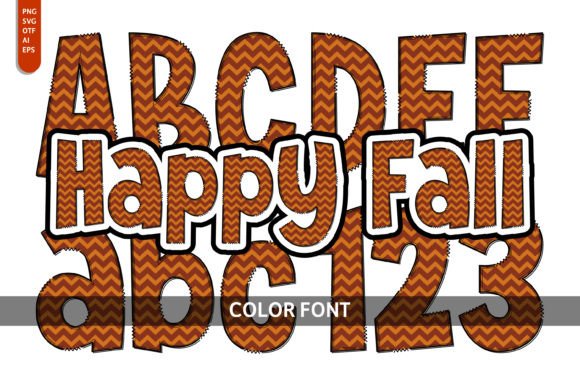
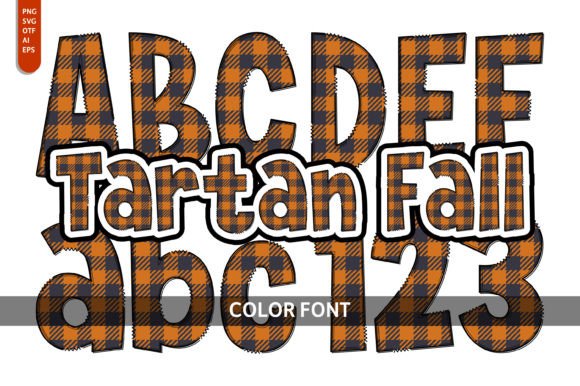
At its core, Tartan Fall is a display font with a distinct personality. Each letterform is a miniature canvas, showcasing a classic tartan pattern rendered in the warm, inviting hues of autumn—think burnt orange, deep burgundy, golden ochre, and forest green. This isn't a flat, static typeface. As a premium color font, it leverages modern typography technology to embed these intricate patterns directly into the glyphs, ensuring the texture and depth are preserved across compatible applications.
The overall style is playful and whimsical, yet the tartan motif grounds it with a sense of tradition and comfort. It strikes a balance between a handwritten font's casual charm and a structured, patterned aesthetic. This makes it particularly effective for projects aiming for a cozy, approachable, or celebratory vibe without veering into overly juvenile territory. It’s a font that feels like a favorite flannel shirt or a well-worn leather journal—immediately familiar and inviting.
Strategic Applications Across Creative Projects
Understanding where a creative font like Tartan Fall excels is key to using it effectively. Its strength lies in headlines, logos, and short bursts of impactful text where its intricate pattern can be fully appreciated without hindering readability.
- Branding and Logo Design: For small businesses, cafes, breweries, or artisan brands with a seasonal or rustic focus, Tartan Fall can become a cornerstone of an autumn brand identity. It works beautifully for a primary logo wordmark or as a secondary accent font for taglines and promotional headers, instantly communicating a warm, craft-oriented ethos.
- Marketing and Social Media: In the fast-scroll world of digital marketing, grabbing attention is paramount. Use Tartan Fall for social media graphics, sale announcements, and email newsletter headers to create a visually cohesive and seasonally resonant campaign. Its built-in texture means your graphics will have depth, even without additional design elements.
- Publishing and Editorial Design: Book covers, magazine headlines, and chapter titles for fall-themed issues or cozy mystery novels are perfect candidates. The font adds a layer of thematic storytelling before the first word is even read, setting the mood for the editorial design project.
- Packaging and Physical Crafts: For packaging design of seasonal products like candles, preserves, or holiday gifts, Tartan Fall offers a tactile quality that translates well to print. It’s equally at home on DIY projects—think custom gift tags, scrapbook layouts, and handmade invitations—adding a professional, polished touch to personal crafts.
Font Pairing and Practical Design Guidance
A font, no matter how charming, rarely works in isolation. Pairing Tartan Fall correctly is crucial for maintaining both visual harmony and functional readability. The golden rule is contrast. Because Tartan Fall is a textured, patterned display font, it demands a clean, simple partner for body copy.
A classic sans serif font with good readability and a neutral personality is an ideal companion. Think of fonts like Lato, Open Sans, or Montserrat. Their clean lines provide a quiet, stable background that allows the tartan pattern to sing without competition. For a slightly more traditional or elegant pairing, a simple serif font like Lora or Merriweather can also work, creating a bridge between the playful display font and more formal text.
Avoid pairing it with other decorative fonts, script fonts, or highly stylized typefaces. The result would be visual chaos, undermining the professionalism of your work. Remember, Tartan Fall is the star of the show; its supporting cast should be understated.
Evaluating Fit and Licensing
Before integrating this commercial font into a project, a quick evaluation is wise. Consider the project's tone. Is it whimsical, autumnal, rustic, or celebratory? If the answer is yes, it’s a strong candidate. If the project demands a sleek, ultra-modern, or minimalist aesthetic, this font likely isn’t the right fit.
Always test the font in context. Mock up a headline or a logo to see how its scale and color interact with your other design assets. Check for the availability of multiple weights or styles—some premium fonts include bold, outline, or texture variations that can expand your creative options.
Finally, respect the licensing. As a commercial font, Tartan Fall comes with specific usage rights. Ensure the license covers your intended use, whether it's for a client's logo, a product sold on Etsy, or a digital download. Purchasing the appropriate license supports the type designers who create these valuable tools and ensures your project is legally sound.
Embracing Seasonal Storytelling
Ultimately, choosing a typeface like Tartan Fall is an exercise in visual storytelling. It’s not just about selecting a font; it’s about injecting a specific emotion and narrative into your design. It communicates warmth, tradition, and a celebration of the season's fleeting beauty. For designers, marketers, and creators, it offers a shortcut to evoking that cozy, nostalgic feeling that audiences connect with deeply during the fall months.
In a landscape saturated with generic design assets, a well-chosen, personality-driven typeface can be a differentiator. It shows attention to detail and a thoughtful approach to brand perception. By using Tartan Fall strategically—in the right contexts, with the right partners, and with an understanding of its strengths—you can craft designs that don’t just look good for the season, but feel genuinely engaging and memorable.