Happy Fall: A Color Font for Autumn Projects
The air gets a bit crisper, and the world outside starts its annual transformation into a canvas of gold, orange, and deep crimson. This shift in season brings a unique energy, a feeling of warmth and cozy celebration that many of us want to capture in our work. For designers, marketers, and creators, this means finding the right visual tools to evoke that specific autumnal spirit. Enter Happy Fall, a creative font that doesn't just suggest the season—it embodies it. This isn't your average typeface; it's a piece of design assets that brings the vibrant colors and playful energy of autumn directly into your projects.
More Than a Typeface: The Visual Personality of Happy Fall
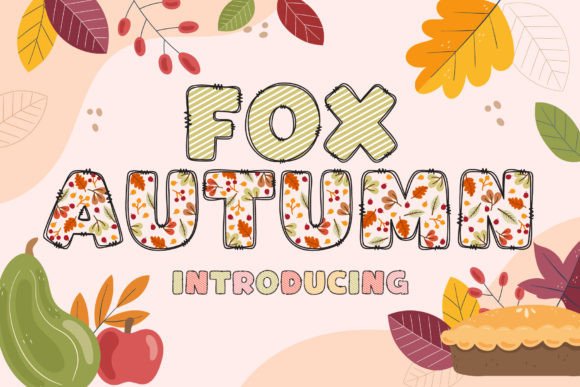
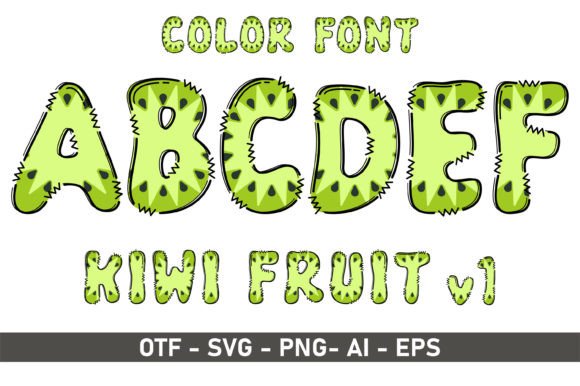
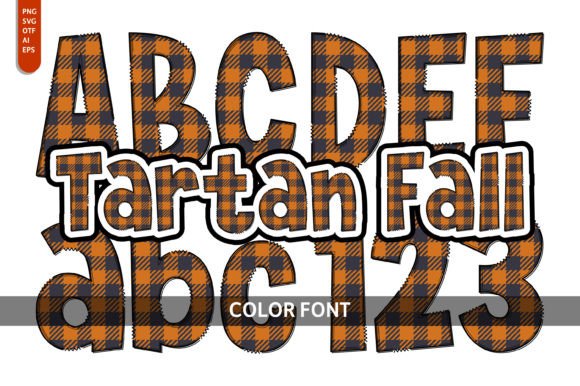
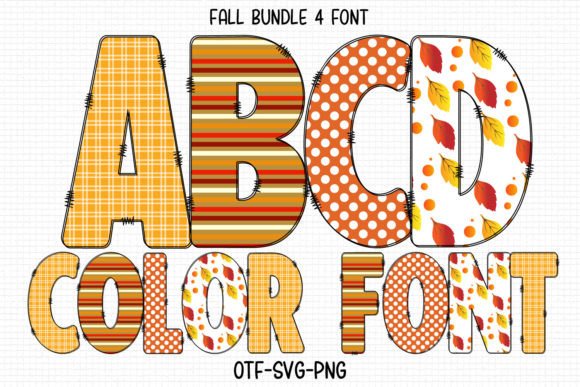
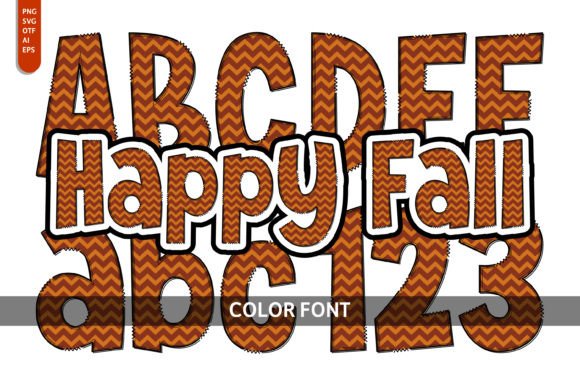
At its core, Happy Fall is a display font, designed to be a headline-grabber rather than a body of text workhorse. Its character is immediately apparent. Imagine letterforms that are inherently cheerful and slightly whimsical, each one adorned with colorful illustrations of autumn leaves. This is the defining feature of a color font, where the glyphs themselves contain color information, moving beyond simple monochrome outlines. The result is a typeface that feels hand-crafted and full of life, perfect for adding a layer of visual interest without needing additional graphic elements.
The style leans into a modern typography approach that blends a handwritten font sensibility with clear readability. It avoids the overly ornate or difficult-to-read pitfalls of some script font styles, striking a balance that makes it accessible for a wide range of applications. The personality is unmistakably joyful, optimistic, and warm. It’s the typographic equivalent of a pumpkin spice latte on a cool morning—familiar, comforting, and instantly recognizable. This makes it a powerful tool for any project aiming to convey a sense of seasonal cheer, harvest celebration, or cozy nostalgia.
Strategic Applications: Where This Autumn Font Shines
Understanding where to deploy a specialty font like Happy Fall is key to its success. Its strength lies in applications where a burst of personality and seasonal relevance is needed. Think of it as a design accent, a way to inject a specific mood into your work.
For Branding and Marketing: A small business launching a limited-edition fall product line could use Happy Fall for its logo design elements or social media campaign headers. A local café might feature it on their seasonal menu or in-store signage. The font helps instantly communicate the theme, creating a cohesive and engaging experience for customers. It’s a fantastic choice for social media graphics, where standing out in a fast-scrolling feed is crucial. A post announcing a fall sale or a Halloween event using this font will immediately catch the eye and set the right tone.
For Publishing and Editorial Design: Bloggers and content creators can use it for featured images, chapter titles in a seasonal e-book, or the header of a newsletter dedicated to autumn recipes or activities. In editorial design, it could work beautifully for the cover of a magazine’s fall issue or for pull quotes that need to feel thematic and inviting. Its use in packaging design for artisanal goods—like jams, candles, or baked items—can add a charming, homemade feel that resonates with consumers seeking authentic products.
For Personal and Craft Projects: The applications are just as rich in the personal sphere. Think of custom greeting cards, party invitations for a Thanksgiving gathering, or scrapbooking layouts. For crafters selling on platforms like Etsy, using Happy Fall on digital product mockups or physical items like tote bags or mugs can create a strong, seasonal appeal. It’s a premium font that brings professional flair to personal projects.
Practical Guidance: Using Happy Fall Effectively
Adopting a new typeface, especially a display-focused one, requires some practical consideration. Here’s how to integrate Happy Fall into your workflow for the best results.
Evaluate Project Fit: First, assess the tone of your project. Happy Fall is perfect for playful, celebratory, and warm themes. It might not be the right choice for a serious corporate report or a minimalist tech brand. Its strength is in its specific personality, so align it with projects that share that same cheerful energy.
Master Font Pairing: A color font with decorative elements should rarely stand alone for all text. The key is to pair it with a clean, neutral typeface. A simple sans serif font or a traditional serif font for body text creates a beautiful contrast, allowing Happy Fall to headline without causing visual chaos. For example, pairing it with a font like Lato or Open Sans for supporting text ensures readability while letting the display font do its job.
Check Readability and Hierarchy: Use Happy Fall for short bursts of text: headlines, subheadings, logos, or calls to action. Its decorative nature means it’s not suited for long paragraphs where legibility at small sizes is paramount. It naturally establishes a strong visual hierarchy, drawing the reader’s eye to the most important, festive information first.
Review Technical Details: Before purchasing, check the font’s character set. Does it include all the punctuation and numbers you need? Confirm the licensing—most commercial font licenses are clear, but it’s always wise to verify that it covers your intended use, whether for a client project or products for sale. Test it in your design software to see how the color rendering works and ensure it integrates smoothly into your existing asset library.
Ultimately, Happy Fall is more than just a collection of glyphs; it’s a seasonal mood in a font file. It’s a tool for creating brand identity moments, for making marketing materials resonate, and for adding a professional yet playful touch to any autumn-themed endeavor. By using it thoughtfully and strategically, you can let the vibrant colors of the season shine through in all your creative work.