Kiwi V1: A Playful Color Font for Creative Projects
If you’ve ever struggled to find a font that feels genuinely fun without sacrificing clarity, you know the challenge. Many display typefaces lean into chaos, becoming unreadable at smaller sizes. Others are safe but sterile. Kiwi V1 occupies a specific, valuable middle ground. It is a premium font that leverages modern technology to deliver personality and color directly into your typography, making it a standout asset for designers, small business owners, and content creators who want their work to pop.
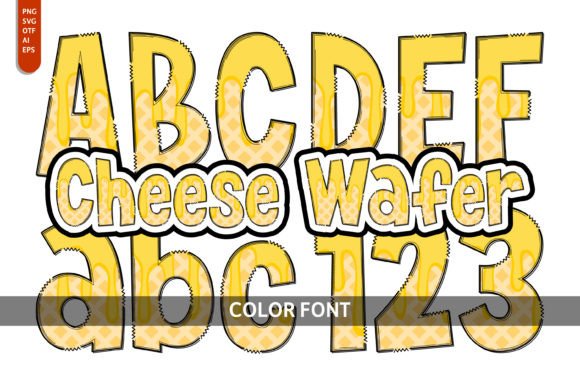
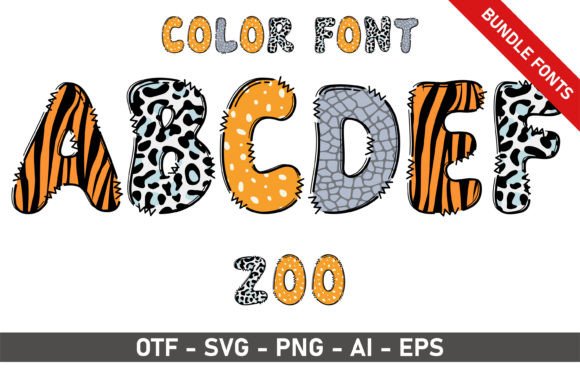
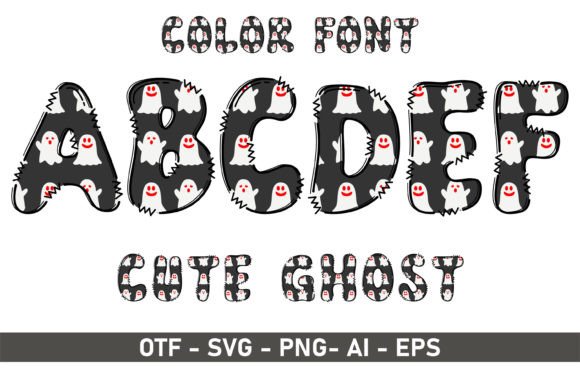
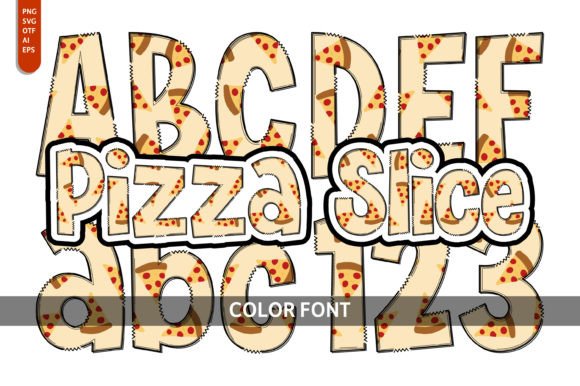
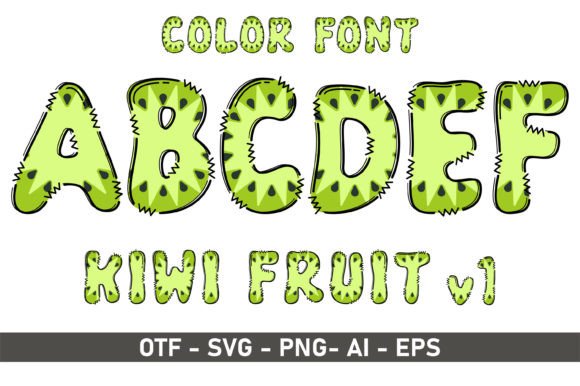
At its core, Kiwi V1 is an OpenType-SVG color font. This isn't your standard vector outline. Instead of a single solid color, the font file contains high-fidelity bitmap data embedded within the vector container. This allows the letters to display gradients, textures, and multiple colors right out of the box. Visually, the typeface carries a whimsical, hand-painted aesthetic. It avoids the rigid geometry of a standard sans serif font, opting instead for organic shapes that mimic brush strokes or gouache paint. The result is a typeface that feels energetic and artisanal, perfect for designs that aim to convey a playful or artistic feel.
Where Kiwi V1 Shines: From Print to Digital
Understanding where to deploy a creative font like this is just as important as owning it. Because of its colorful, textured nature, Kiwi V1 excels in environments where impact is the priority over dense text blocks. You wouldn't set a 500-word blog post in this font, but you would absolutely use it for the headline that grabs the reader's attention.
In the realm of packaging design, this typeface is a powerhouse. Imagine a line of artisanal jams, children’s snacks, or organic cosmetics. The painted texture of Kiwi V1 immediately communicates a handmade, organic quality that a standard serif font cannot achieve. It bridges the gap between logo design and illustration. For editorial design, particularly magazines or zines targeting lifestyle, food, or parenting niches, it serves as a brilliant drop cap or pull-quote style, breaking the monotony of standard body copy.
Digital applications are equally broad. For social media graphics, where you have roughly three seconds to stop a user from scrolling, the built-in color gradients of Kiwi V1 provide an immediate visual hook. It works beautifully for Instagram stories, Pinterest pins, and YouTube thumbnails. However, for web design, you must be strategic. While it can create stunning hero sections, you need to ensure your CMS supports OpenType-SVG files. If you are a blogger or entrepreneur building a site on platforms like Squarespace or WordPress, testing the font’s rendering on mobile devices is crucial before committing it to your main navigation.
The Psychology of Style and Brand Perception
Typography does more than spell out words; it triggers an emotional response. When you choose Kiwi V1, you are making a deliberate statement about your brand identity. This is not a font for a law firm or a bank. It signals approachability, creativity, and a lack of pretension. It tells your audience that your brand is friendly and perhaps a bit unconventional.
For small business owners, especially those in the creative or lifestyle sectors, this kind of visual signaling is vital. If you sell custom invitations, greeting cards, or party supplies, the whimsical nature of this display font aligns perfectly with the product. It creates an immediate sense of cohesion between the marketing material and the product itself. The font essentially does half the branding work for you by establishing a tone of voice that is loud, cheerful, and confident.
Practical Application and Technical Considerations
Adopting a color font requires a slightly different workflow than standard typography. First, compatibility is key. Kiwi V1 works seamlessly in professional design software like Adobe Photoshop, Illustrator, and Silhouette. It is also compatible with Inkscape. However, it is important to note that the OTF and TTF files of this product are not compatible with Cricut. If you are a crafter using Cricut Design Space, this specific font will not render correctly, and you should look for standard vector alternatives.
When testing font pairing, you want to let Kiwi V1 be the star. Because it is a premium font with high visual noise (texture and color), it requires a quiet partner. Pair it with a clean, neutral sans serif font or a simple serif font for body text. Avoid pairing it with other script fonts or handwritten fonts, as this will create visual clutter and destroy readability. The goal is visual hierarchy: the colored headline draws the eye, and the clean body text delivers the information.
Readability and Hierarchy
Keep in mind that Kiwi V1 is best suited for display purposes. The intricate details and color gradients that make it beautiful can make it hard to decipher at small point sizes or low resolutions. Use it for headers, large titles, and short bursts of text. For long-form writing, switch to a legible body typeface. This contrast not only ensures your message gets across but also makes the design look more professional.
Licensing and File Formats
Before purchasing, always review the commercial licensing terms. Most design assets like this come with a license that covers a specific number of users or projects. Ensure the license covers your intended use, whether it is for a client’s website, a run of t-shirts, or digital templates you plan to sell. For a deeper dive into how to handle these files, checking out a comprehensive Ultimate Font Guide is highly recommended, especially if you are new to OpenType-SVG technology.
Ultimately, Kiwi V1 is more than just a collection of letters; it is a mood setter. It brings a tactile, artistic quality to the digital space that is increasingly rare. By using it where it fits best—on headers, logos, and packaging—you can elevate a standard design into something memorable and engaging without saying a single extra word.