Pastel Bow: A Charming Display Font for Creative Projects
Understanding the Unique Charm of Pastel Bow
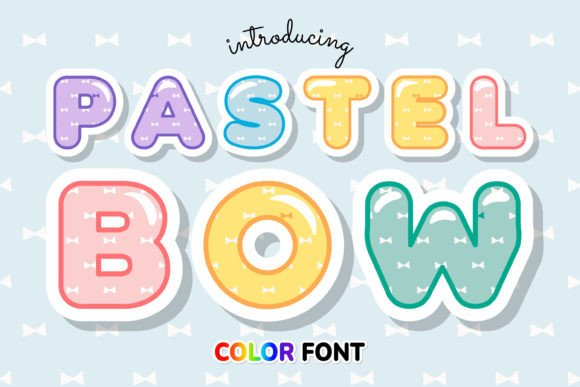
There's a distinct feeling that comes with finding a font that doesn't just sit on a page but actively contributes to the mood of your work. Pastel Bow is one of those typefaces. At its core, it's a color font built in the Opentype-SVG format, which means the pastel hues and the iconic bowtie pattern are embedded directly into the glyph. You aren't just typing a letter; you are placing a small, designed piece of art.
The visual style is unmistakable. It draws heavily from the "Bowtie Pattern," resulting in letterforms that feel textured and dimensional. It avoids the flat look of standard typography, offering a tactile quality that mimics a ribbon or a soft fabric bow. This isn't a font you choose for subtlety. It’s a statement piece designed to inject personality and a sense of whimsy into a project. For designers and creators, this means you have an instant way to establish a playful, charming, or celebratory tone without needing complex illustrations.
Where This Creative Font Truly Shines
Knowing a font is pretty is one thing; knowing where to use it is what matters for your bottom line. Pastel Bow excels as a display font. Think of it as the headline act, not the background singer. Its intricate pattern and color make it ill-suited for body text, but it commands attention in short bursts.
For branding, this typeface is a strong contender for businesses targeting a younger demographic or those in the lifestyle, beauty, or celebration sectors. Imagine a boutique bakery logo, a party supply store header, or the branding for a children’s clothing line. It immediately communicates a specific vibe that a standard sans serif font simply cannot achieve. It helps build a brand identity that feels approachable and fun.
In marketing and social media graphics, attention is the currency. Using Pastel Bow for a sale announcement or an Instagram story can stop the scroll. Its visual weight ensures your message is seen, but its soft color palette keeps it from feeling aggressive. It works beautifully for:
- Packaging design: Adding a premium, hand-crafted feel to product labels.
- Editorial design: Creating striking pull quotes or chapter titles in magazines.
- Web design: Using it for hero section text on specific landing pages (keeping accessibility in mind).
- DIY Crafts: Perfect for personalized greeting cards, wedding invitations, or scrapbooking.
The Technical Reality: Compatibility and Usage
Before you integrate Pastel Bow into your workflow, you need to understand the technology behind it. Because this is an Opentype-SVG color font, it behaves differently than a standard serif font or script font. The "SVG" stands for Scalable Vector Graphics, meaning the color and pattern data are vector-based, allowing for high-quality scaling.
Crucial Compatibility Note: This product is compatible with professional design software like Adobe PhotoShop, Adobe Illustrator, Silhouette, and Inkscape. However, the OTF and TTF files included are not compatible with Cricut machines. If you are a crafter using a Cricut, you will likely encounter issues with the color data not transferring correctly. Always check your software version to ensure it supports Opentype-SVG features before purchasing or starting a project.
Strategic Integration: Pairing and Visual Hierarchy
When you introduce a highly stylized font like Pastel Bow into a layout, the rest of your typography needs to play a supporting role. This is where font pairing becomes critical. Because Pastel Bow is loud and decorative, it pairs best with something quiet and structured.
A clean, geometric sans serif font is often the best companion. The simplicity of a typeface like Montserrat or Lato allows Pastel Bow to take center stage without creating visual clutter. Avoid pairing it with a handwritten font or another script font, as the competing styles will make the design look chaotic and reduce readability.
From a brand perception standpoint, using this font establishes a hierarchy. It tells the viewer, "Look here first." Use it for H1 headers or key call-to-action phrases. Use your secondary, more legible font for the details. This approach maintains professionalism while leveraging the unique appeal of the creative font.
Evaluating Fit for Your Project
Before finalizing your design assets, run a quick evaluation. Does the pastel color scheme align with your client's or your brand's color palette? While the font comes in its own colors, ensure they don't clash with the surrounding design elements.
Consider the medium. Pastel Bow is a premium font choice for digital-first projects like social media graphics, websites, and digital invitations. For print, ensure your printer can handle the color fidelity required for such a detailed typeface.
Finally, check the licensing. If you are using this for a client's logo design or commercial merchandise, verify that the license covers commercial use. A beautiful font is only an asset if it's legally cleared for your specific application. By treating Pastel Bow as a strategic design element rather than just a pretty decoration, you can significantly boost the visual engagement of your next project.