Apple Pie and Jar: A Handwritten Font for Creative Projects
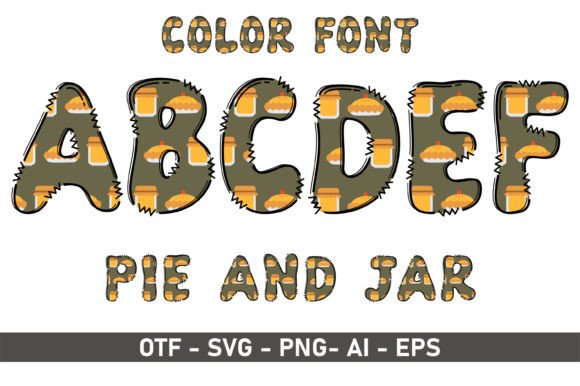
Finding the right typeface can feel like searching for a missing ingredient. You need something that adds personality without overwhelming the dish. Apple Pie and Jar is a premium font designed to fill that gap. It is a handwritten display font with a distinct, artistic flair. This typeface captures a sense of casual creativity. Its characters have a slightly uneven baseline and varied stroke weights, mimicking the authentic look of hand-lettering. The overall style is playful, warm, and approachable. It avoids the overly polished look of some script fonts, opting instead for a more organic and genuine feel. This makes it a versatile creative font for projects that need a human touch.
This font works exceptionally well in designs aiming to convey a playful or artistic feel. Think of children’s books, where whimsical and engaging typography is key. The friendly letterforms of Apple Pie and Jar can make stories more inviting for young readers. It is also a strong choice for posters, invitations, and greeting cards. The font’s personality shines in contexts where a personal message is being delivered. For small business owners and entrepreneurs, it can be a cornerstone of a brand identity that feels handmade and sincere. Use it on packaging design for artisanal goods, in social media graphics for a lifestyle blog, or on the cover of a self-published cookbook. Its appeal lies in its ability to connect with an audience on a personal level, making marketing materials feel less corporate and more relatable.
Practical Applications and Project Fit
When evaluating Apple Pie and Jar for a project, consider its role in your visual hierarchy. As a display font, it is engineered for headlines, logos, and short bursts of text. Its detailed, handcrafted style is not intended for long paragraphs of body copy. Pairing it with a clean, simple sans serif font is a classic and effective strategy. For example, use Apple Pie and Jar for a main title, and pair it with a neutral font like Montserrat or Open Sans for subheadings and body text. This contrast ensures readability while allowing the display font to command attention. In logo design, this typeface can help a brand stand out, especially for businesses in the food, craft, or lifestyle sectors. It communicates authenticity and creativity immediately.
For digital projects like web design or social media graphics, the font adds significant character. A blog header or an Instagram quote graphic using Apple Pie and Jar feels personal and curated. In print, it excels in editorial design for magazine pull quotes or chapter headings. Publishers of niche cookbooks or DIY guides will find it particularly useful. However, always test the font in context. View it at the actual size it will be used to ensure the details remain clear. Check its performance on both screen and print if the project spans multiple mediums. The goal is to enhance your message, not distract from it.
Technical Considerations and Font Pairings
Understanding the technical specifications of a creative font like Apple Pie and Jar is crucial for a smooth workflow. It is often distributed in OTF (OpenType) and/or TTF (TrueType) file formats. A key distinction to note is between its color and black versions. The standard black version of this font is generally compatible with a wide range of software, including popular cutting machine programs like Cricut Design Space. This makes it a great asset for crafters creating custom decals, stickers, or heat transfers for apparel.
The color version of the font, which may include multi-colored or textured elements, has more specific requirements. It is typically only compatible with advanced design software such as Adobe Photoshop, Adobe Illustrator, Silhouette Studio Designer Edition, and Inkscape. These color fonts are not compatible with Cricut Design Space or basic word processors. Always review the font’s documentation or the seller’s Ultimate Font Guide for precise compatibility information before purchasing or starting a project. This prevents frustration and ensures you have the right tools for your specific needs.
Building a Cohesive Design System
Integrating a distinctive typeface like Apple Pie and Jar into a broader design system requires thought. For a brand to maintain consistency, define clear usage rules. Specify that this font is only for primary headlines or logo lockups, and list its approved font pairings. This maintains professionalism across all touchpoints, from a website to printed business cards. When selecting a companion serif or sans serif font, look for one that shares a similar x-height or overall tone, even if the style is contrasting. For instance, a geometric sans serif can balance the organic curves of the handwritten font.
Consider the commercial licensing of the font. Most premium fonts come with a license that outlines permitted uses, such as for a single user, a specific number of projects, or for commercial sale on products. Review the End User License Agreement (EULA) carefully. If you are creating merchandise like t-shirts or mugs for sale, you need a license that explicitly allows for such commercial use. This is a critical step for entrepreneurs and small business owners to ensure legal compliance. A well-chosen font is a powerful design asset, but it must be used correctly. Apple Pie and Jar offers a wonderful blend of personality and practicality for the right project, helping creators and businesses tell their story with a unique and engaging voice.