Pinto: The Chunky, Playful Font That Brings Designs to Life
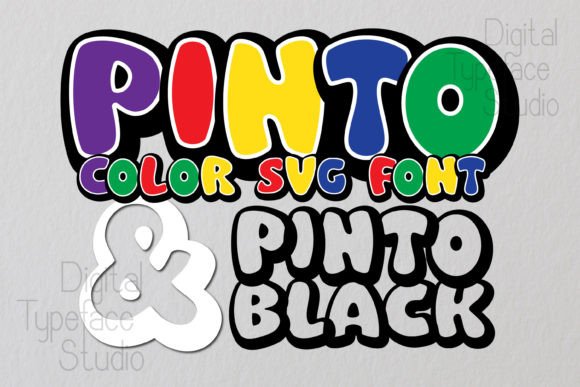
There are typefaces that command attention through sheer elegance, and others that whisper with sophisticated minimalism. Then, there are fonts like Pinto that simply make you smile. This isn't a font for somber legal documents or ultra-corporate annual reports. Pinto is a vibrant, chunky display font bursting with personality, designed to inject a dose of authentic fun into any creative project. It’s the typographic equivalent of a box of fresh crayons—full of potential, color, and a sense of joyful creation.
At its core, Pinto is a display font, meaning its primary strength lies in headlines, logos, and short bursts of impactful text rather than long-form body copy. Its visual character is defined by rounded, generously weighted letterforms that feel both approachable and substantial. The slight irregularities and charming quirks in its shapes give it a hand-crafted, authentic feel, steering it clear of sterile, over-polished digital aesthetics. This creative font embodies a playful spirit without sacrificing clarity, making it an incredibly versatile tool in a designer's arsenal.
Where Pinto Truly Shines: Real-World Applications
The beauty of a font with such a distinct personality is knowing precisely where to deploy it for maximum effect. Pinto isn't a jack-of-all-trades; it's a master of creating a specific mood. Its strengths are most evident in projects targeting families, children, education, food, or any brand that wants to convey warmth, creativity, and approachability.
Consider its role in brand identity. A local bakery, a children's boutique, a family-friendly cafe, or a creative workshop studio could build an entire visual world around Pinto. Used in a logo design, it instantly communicates a brand that is welcoming, fun, and full of character. It sets the right tone before a customer even reads a word. Beyond logos, this premium font is perfect for:
- Packaging Design: Imagine Pinto on a box of artisanal cookies, a bag of gourmet popcorn, or children's craft supplies. It makes the product jump off the shelf.
- Editorial Design: In magazines, book covers, or zines for younger audiences, Pinto can create captivating headlines and chapter titles that draw readers in.
- Web Design & Social Media: Use it for hero text on a website, call-to-action buttons, or as the primary typeface for Instagram stories and Pinterest graphics. It ensures your digital presence feels energetic and engaging.
- Print & Merchandise: From t-shirts and tote bags to posters and greeting cards, Pinto translates beautifully to physical goods, adding a tangible sense of fun.
The Strategic Impact of a Playful Typeface
Choosing a font like Pinto is more than an aesthetic decision; it's a strategic one that influences how your audience perceives and interacts with your work. In modern typography, the right display typeface can do heavy lifting for your brand's perception and audience engagement.
Readability and Visual Hierarchy: While Pinto is a display font, its chunky letterforms ensure high legibility at larger sizes. This makes it excellent for establishing a clear visual hierarchy. A bold Pinto headline naturally draws the eye, creating an immediate focal point that guides the viewer through your layout. When paired with a clean sans serif font or a simple serif font for body text, it creates a dynamic and easy-to-follow structure.
Brand Recognition and Consistency: A unique typeface is a powerful tool for brand recall. When customers repeatedly see Pinto across your website, social media, and packaging, it becomes synonymous with your brand's playful identity. This consistency builds trust and makes your business instantly recognizable in a crowded market.
Audience Connection: Fonts carry emotional weight. The authentic, hand-drawn quality of Pinto fosters an immediate emotional connection with the viewer. It feels human and approachable, which can significantly lower the barrier for engagement, especially for brands aiming to build a community rather than just a customer base.
A Practical Guide to Using Pinto Effectively
Integrating a standout display font into your projects requires a thoughtful approach. Here’s how to get the most out of Pinto and ensure it elevates, rather than overwhelms, your designs.
- Evaluate the Project Fit: Before you start, ask yourself: does the project's tone align with playfulness and authenticity? Pinto is a superb fit for a children's book cover but might not be the right choice for a luxury watch brand's primary identity. Context is everything.
- Master the Art of Font Pairing: This is crucial. Pinto’s strong personality needs a balancing partner. For a harmonious look, pair it with a neutral, geometric sans serif font like Montserrat or Lato. For a more dynamic, high-contrast combination, try a classic, readable serif font like Merriweather or Lora. Avoid pairing it with other highly stylized fonts like an ornate script font or another chunky handwritten font, as they will compete for attention.
- Review the Included Styles: A quality premium font often comes with more than just the basic alphabet. Check if Pinto includes stylistic alternates, ligatures, or multiple weights. These features give you more creative flexibility to customize headlines and add unique flair to your typography.
- Mind the Readability: Use Pinto for its intended purpose: short, impactful text. It’s perfect for headlines, subheadings, logos, and pull quotes. Avoid setting paragraphs of body copy in it, as its decorative nature will reduce reading comfort over longer passages.
- Understand the Licensing: As a high-quality commercial font, Pinto will come with a license that outlines its permitted uses. Always review this carefully. Ensure the license covers your intended applications, whether it's for a single client project, for use in products for sale (like on t-shirts or mugs), or for digital distribution. This protects you legally and respects the work of the font's creator.
Ultimately, Pinto is more than just a collection of letters; it's a design asset