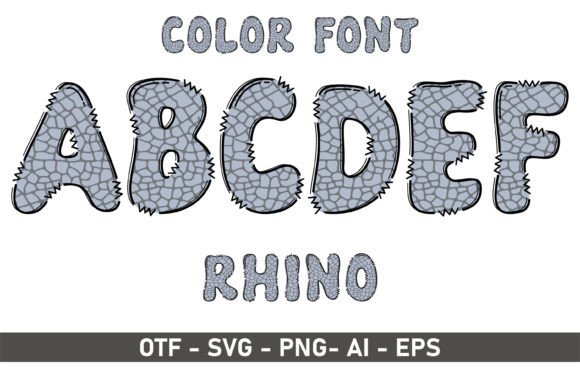
Rhino: A Creative Font for Playful and Artistic Designs
When you need a typeface that doesn't just sit quietly on the page but actively contributes to the mood, Rhino is a name worth knowing. This is a font that understands its role in projects where personality is non-negotiable. Think of the last time a children's book cover made you smile before you even read the title, or how a party invitation felt instantly festive thanks to its lettering. That's the territory where fonts like Rhino live and breathe. It’s a creative font designed for moments that call for energy, warmth, and a touch of handcrafted charm, making it a valuable asset in your design toolkit for projects that need to connect on a more human, emotional level.
Understanding the Visual Personality of Rhino
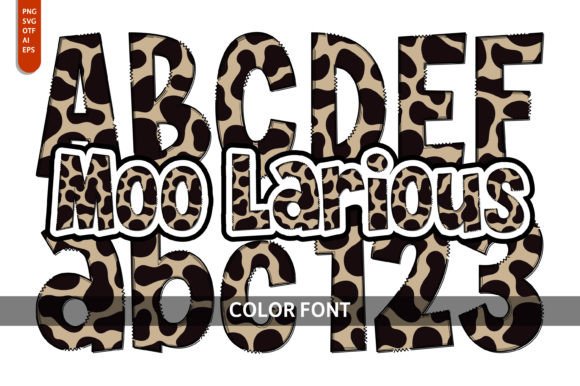
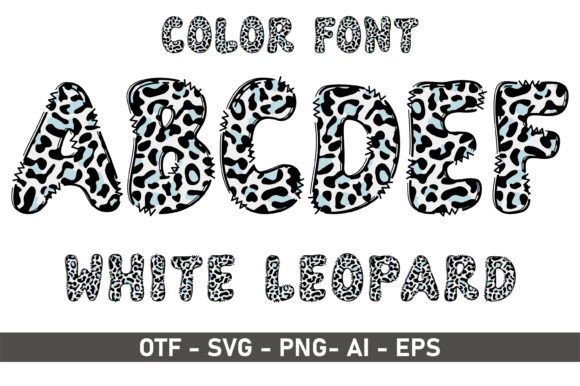
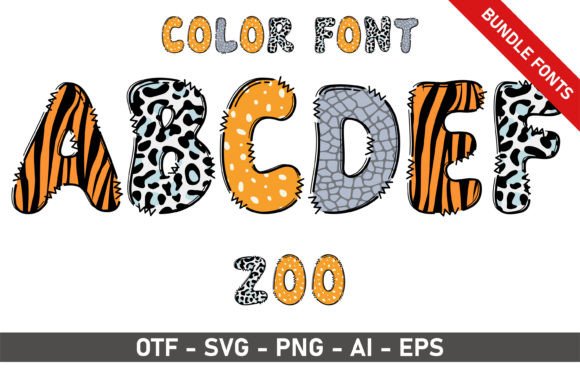
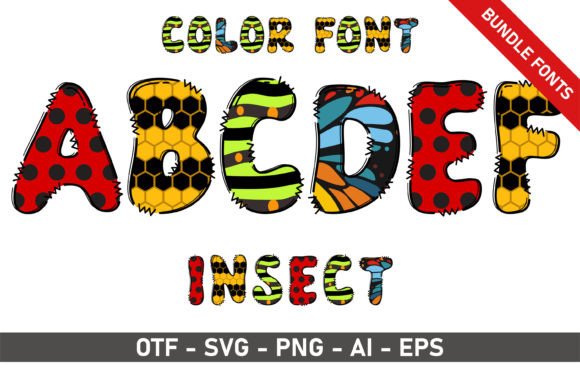
Rhino isn't a single, rigid style. It often exists as a family that might include a handwritten font or script font variant alongside a more structured display font companion. The core visual identity typically revolves around forms that feel organic and slightly irregular, as if drawn by hand. You’ll notice rounded terminals, varying stroke weights that mimic the pressure of a pen or marker, and a generally open, friendly x-height. This isn't the font for a legal contract or a technical manual. Its personality is approachable, informal, and inherently creative. The appeal lies in its ability to inject a sense of authenticity and playfulness into a design, making it feel less corporate and more like it was made by a real person with a specific vision.
This character makes Rhino exceptionally effective in specific contexts. In editorial design, particularly for children's magazines or activity books, it can create engaging headers and pull quotes that draw young readers in. For packaging design for artisanal foods, handmade cosmetics, or boutique toys, it communicates care and creativity. The font becomes part of the product story, suggesting that what’s inside is made with the same level of attention as the lettering on the outside.
Where Rhino Shines: Practical Applications Across Projects
The true test of any premium font is its versatility across real-world scenarios. Rhino finds its sweet spot in projects where the goal is to evoke a specific, positive emotion rather than convey stark information. Let's break down its practical uses.
In brand identity and logo design, Rhino can be a fantastic choice for brands that want to position themselves as friendly, innovative, or artisanal. A local bakery, a children's art studio, an independent toy maker, or a lifestyle blog focused on DIY crafts could use a stylized wordmark from the Rhino family to instantly communicate their ethos. However, it’s crucial to pair it wisely. Using it for your primary body copy on a website would likely harm readability. Instead, it works best as a headline or accent font in your brand identity system, paired with a clean sans serif font for longer text.
For marketing and social media graphics, Rhino is a powerhouse. Think about Instagram stories, Facebook ad graphics, or promotional posters for a local fair. The font's inherent energy can stop the scroll. It’s perfect for short, impactful phrases like "Sale Today!" or "New Collection." In web design, it can be used sparingly but effectively for hero section headlines or call-to-action buttons where you want to inject personality without compromising the site's overall usability. The key is balance—using Rhino for emphasis and letting more neutral typefaces handle the heavy lifting of information.
Integrating Rhino into Your Creative Toolkit
Adopting a new typeface like Rhino into your workflow requires some thoughtful consideration to ensure it enhances rather than clashes with your project. Here’s a practical guide.
Evaluate the Project Fit: Before you even download, ask: What is the core emotion of this project? If the answer involves words like whimsical, energetic, friendly, handmade, or playful, Rhino is a strong candidate. If the project demands seriousness, authority, or ultra-minimalist clarity, you should probably look at other design assets. A formal annual report or a luxury watch brand's website would not be its ideal home.
Test Font Pairings Relentlessly: This is perhaps the most critical step. A creative font like Rhino rarely works well in isolation. You need to create a hierarchy. A classic and often foolproof pairing is with a geometric sans serif font (think Montserrat, Poppins, or Lato). The clean lines of the sans serif provide a stable, readable foundation for body text, allowing the personality of Rhino to shine in headlines without causing visual fatigue. Avoid pairing it with another highly decorative or script font, as this will create competition and chaos. Always test your chosen font pairing at various sizes to check for readability.
Review Included Styles and Licensing: A good commercial font often comes with multiple styles. Check if the Rhino family includes bold, italic, or condensed versions. These give you more flexibility to create nuanced typographic hierarchies within the same font family. Crucially, understand the licensing. If you're a small business owner or entrepreneur, you need to ensure the license covers your intended use—whether it's for a client's logo, printed merchandise, or a website. Most reputable font marketplaces are clear about this, but always double-check before finalizing a design for a client.
Prioritize Readability Above All: Even the most beautiful font fails if it can't be read. Test Rhino's legibility for your specific use case. Is the "a" clearly distinguishable from the "o" at small sizes? Do the letterforms hold up when printed on textured paper? For a children's book, readability is paramount. You might choose a weight of Rhino that is less ornate but more legible for the story text, reserving the most stylistic version for the cover and chapter titles. This thoughtful application respects the audience while still achieving the desired artistic feel.
Ultimately, a font like Rhino is a specialized tool. It’s not a one-size-fits-all solution, and that’s its strength. By understanding its visual personality, knowing where it excels, and applying it with strategic care in pairings and context, you can leverage its unique charm to create designs that are not only beautiful but also effective and deeply engaging for your target audience. It’s about adding a layer of human touch and creative expression to your work, one thoughtful letterform at a time.