Flowers Style: A Charming Typeface for Creative Brands
There’s a particular challenge in design work that demands both personality and professionalism. You need a typeface that doesn’t just communicate words but conveys a specific feeling—one of approachability, creativity, and a touch of delight. This is where a premium font like Flowers Style becomes an invaluable asset. It’s not just a collection of letters; it’s a visual language designed to inject whimsy and warmth into a project, helping you connect with an audience on a more emotional level.
Visual Character and Personality
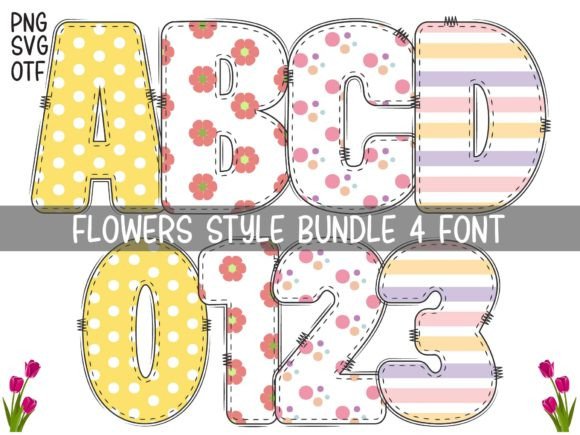
Flowers Style is best described as a vibrant, decorative display font. Its defining feature is the intricate floral illustrations nestled within the negative space and strokes of each character. This isn't a subtle texture; it's a core part of the letterform's identity. The overall aesthetic is playful, charming, and unmistakably artistic. Think of it as the typographic equivalent of a hand-painted sign or a beautifully illustrated greeting card.
The personality of this creative font leans heavily towards the feminine, romantic, and artisanal. It evokes feelings of springtime, celebration, and handcrafted care. Unlike a stark modern typography choice, Flowers Style has an inherent softness. Its curves are gentle, and the integrated botanical details give it an organic, living quality. This makes it a powerful tool for brands and projects aiming to feel personal, authentic, and full of life.
Where This Font Truly Shines
Understanding a font's strengths is key to using it effectively. Flowers Style isn't a workhorse for body text; its ornate nature is designed for impact. It excels as a headline or accent font where it can be appreciated without compromising readability. In logo design, it can become the cornerstone of a brand's visual identity for businesses in floral design, wedding planning, artisanal bakeries, boutique hotels, or eco-friendly cosmetics. The font immediately communicates the brand's core values and aesthetic.
Beyond logos, consider its application in:
- Packaging Design: Imagine this font on a label for a small-batch jam, a scented candle, or a botanical skincare line. It instantly elevates the perceived value and artisanal quality of the product.
- Editorial and Publishing: For book covers in the romance or women's fiction genre, chapter headings, or magazine titles for lifestyle and craft publications, it adds a beautiful, inviting touch.
- Digital and Social Media: As a headline for a blog post about gardening, a Pinterest graphic for a DIY project, or an Instagram story announcing a sale, it stops the scroll with its unique charm.
- Print Collateral: Wedding invitations, event posters for a garden party, thank you cards, and menu designs are all perfect applications. It sets a celebratory and thoughtful tone from the first glance.
For entrepreneurs and small business owners, this font pairing is strategic. Use it for your main headline or logo, and pair it with a clean, highly legible sans serif font or a simple serif font for body copy. This creates a clear visual hierarchy, ensuring your most important message is both beautiful and readable. Marketers can leverage it in campaign graphics to foster an emotional connection, while crafters and hobbyists will find it adds a professional polish to personal projects.
Making a Strategic Typographic Choice
Before integrating any new design asset, a practical evaluation is necessary. The first question is always about project fit. Does the joyful, floral personality of Flowers Style align with your brand's voice and your audience's expectations? It’s a fantastic choice for a children's boutique but likely a mismatch for a corporate law firm. Context is everything.
Next, consider readability. Test the font at the size you intend to use it. While stunning at larger scales, the intricate details may become muddy or lost at very small sizes, particularly in digital formats. Always view it on both a high-resolution screen and in a print mock-up if possible. This helps you gauge its performance across different media, a crucial step for any commercial font intended for multi-platform use.
Evaluating the full font family is also wise. Does it include stylistic alternates, additional glyphs, or multiple weights? These extras can provide valuable flexibility, allowing you to create variations within your designs while maintaining a consistent brand identity. Finally, confirm the licensing. Ensure the font's license covers your intended use—whether for a personal blog, client work, or products for sale—to avoid legal issues down the line.
Bringing Your Words to Life
In a crowded visual landscape, a distinctive typeface is a powerful differentiator. Flowers Style offers more than just letters; it offers a mood, a story, and a way to make your communication feel more human and heartfelt. It’s a testament to how modern typography can be both functional and deeply expressive.
By thoughtfully applying this display font to the right projects, you can transform ordinary text into a memorable visual experience. It’s about choosing a tool that doesn’t just say the words but makes the audience feel them. For designers, marketers, and creators looking to infuse their work with genuine charm and character, exploring a typeface like Flowers Style is a step toward more engaging and resonant design.