Fancy Garden: A Lively Leaf Pattern Font for Modern Creators
A Typeface with Natural Charm and Digital Precision
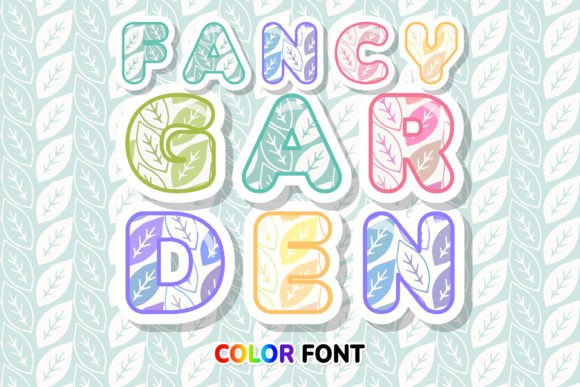
Fancy Garden is a premium color font that immediately catches the eye with its distinctive leaf pattern style. Unlike traditional typefaces that rely on solid fills or simple outlines, this creative font uses the Opentype-SVG format to render each letter with intricate, layered botanical details. The result is a display font that feels both organic and polished—think of it as a digital version of hand-arranged foliage. Each character carries a sense of depth and texture, making it ideal for projects where you want typography to feel alive rather than flat.
What makes Fancy Garden stand out in a crowded market of decorative fonts is its versatility. While it excels as a headline or logo design element, it’s not just for one-off uses. The font’s personality strikes a balance between playful and sophisticated, so it can work for a whimsical children’s brand just as well as for a high-end botanical shop. The leaf motifs aren’t overly literal or cartoonish; they’re stylized enough to maintain elegance while still conveying a clear natural theme. This makes it a strong choice for anyone looking to inject organic energy into their visual identity without sacrificing professionalism.
Where Fancy Garden Shines: Real-World Applications
If you’re working on branding for a wellness studio, a garden center, or a sustainable product line, Fancy Garden can become a cornerstone of your brand identity. Its textured appearance helps logos and packaging designs stand out on shelves and screens, creating instant recognition. For social media graphics, the font’s visual interest can stop the scroll—use it for Instagram quote cards, promotional banners, or event announcements where you want a touch of nature-inspired flair. In editorial design, such as magazine headers or blog post titles, it adds personality without overwhelming the body copy.
For crafters and DIY enthusiasts, Fancy Garden opens up exciting possibilities. Since it’s compatible with PhotoShop, Illustrator, Silhouette, and Inkscape, you can use it to create custom stickers, greeting cards, or party invitations with a professional finish. Imagine designing wedding stationery with a cohesive botanical theme, or crafting personalized labels for homemade jams or candles. The font’s detailed rendering ensures that even small-scale prints retain their charm, provided you test for readability at your intended size. Just remember, as a color font in Opentype-SVG format, it’s not compatible with Cricut machines—so if you’re using a Cricut for your projects, you’ll need to explore other options or check our Ultimate Font Guide for workarounds.
Pairing and Practical Considerations
When incorporating Fancy Garden into your designs, think about contrast and hierarchy. Because it’s a highly detailed display font, it pairs best with clean, simple typefaces for body text. A classic sans serif font like Helvetica or a modern serif font with minimal ornamentation can provide visual breathing room. Avoid pairing it with other ornate script fonts or handwritten fonts, as that can create visual clutter. Instead, let Fancy Garden be the star of headlines or call-to-action text, and use a neutral companion for longer paragraphs.
Before committing to Fancy Garden for a project, take time to test it in context. Type out your key words or phrases and examine them at the size you’ll use—whether for a large banner or a small business card. Check that the leaf details remain distinct and don’t blur together. Consider the color palette of your design, too. Since this is a color font, the default green tones might not always match your brand colors. Fortunately, in supporting software, you can often adjust the hues to fit your scheme while preserving the textured effect.
For commercial use, always verify the licensing terms to ensure they cover your intended applications—whether for client work, merchandise, or digital products. Fancy Garden is a valuable addition to any designer’s toolkit, but like any specialized asset, it’s most effective when used thoughtfully. By aligning its natural aesthetic with your project’s goals, you can create designs that feel both fresh and intentional.