Simple Line: A Cool Color Font with a Dash Pattern Style
What Exactly is Simple Line?
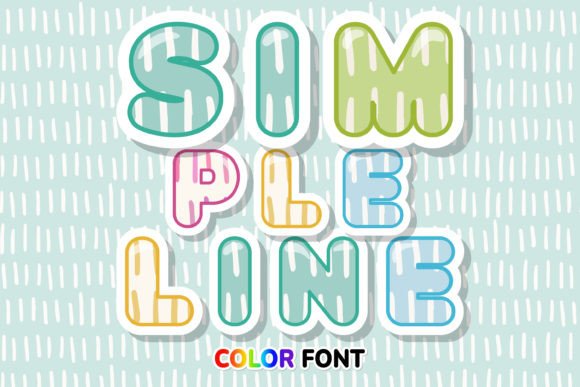
At first glance, Simple Line looks like it belongs on a modern art poster or a sleek product label. It’s a color font, which means the color and pattern aren’t added later in your design software—they’re baked right into the font file itself. The defining feature is its dash pattern style. Instead of solid strokes forming each letter, you get a series of short, evenly spaced lines. This creates a dynamic, textured look that feels both technical and artistic. The overall personality is clean, contemporary, and intentionally crafted. It’s the kind of typeface that doesn’t just spell out a word; it adds a layer of visual interest and sophistication.
Where Does This Font Truly Shine?
Simple Line isn’t your workhorse text font for long paragraphs. Its strength lies in making a statement. Think of it as a specialty tool in your design kit, perfect for projects where you want to capture attention and convey a specific modern aesthetic.
For Branding and Logo Design
A logo needs to be memorable and reflect a brand’s essence. Simple Line is an excellent candidate for logos, especially for brands in the tech, design, architecture, or modern lifestyle sectors. The dash pattern suggests precision, innovation, and a forward-thinking mindset. Using it for a wordmark or a key brand name can instantly establish a distinctive and professional identity. It works beautifully in monochrome, but since it’s a color font, you can also leverage its built-in color for vibrant brand assets.
In Marketing and Social Media
Catching someone’s eye in a fast-scrolling feed is a major challenge. Simple Line can be your secret weapon for social media graphics, digital ads, and email headers. Its unique texture stands out against flat backgrounds and typical sans serif fonts. Imagine a promotional sale graphic where the headline text has this cool, dashed effect—it immediately draws the eye. For marketers and content creators, it’s a way to add a high-end, custom feel to your visuals without spending hours on intricate illustrations.
Publishing and Editorial Projects
When designing magazine covers, chapter headings, or pull quotes, you need typography that commands attention. Simple Line serves this purpose well. It can create striking chapter titles in a book or become the focal point of a magazine feature spread. Its structured yet artistic nature suits editorial design for publications covering design, architecture, or innovative business. It pairs surprisingly well with a clean serif font or a simple sans serif for body text, creating a beautiful visual hierarchy.
Digital Design and Web Use
While you wouldn’t use it for body copy, Simple Line can elevate a website’s design. Consider it for hero section headlines, call-to-action buttons, or section titles. It adds a layer of visual depth that static text can’t match. Just be mindful of file size and ensure your audience uses browsers that support modern font formats. For web designers, it’s a creative font that can make a client’s site feel truly bespoke and cutting-edge.
Crafting and Personal Projects
The appeal of Simple Line extends beyond commercial projects. For crafters using compatible software like Silhouette or Inkscape, it opens up a world of possibilities. Create stunning custom invitations, personalized stationery, or unique home decor quotes. Its DIY-friendly style is perfect for projects where you want a professional, polished result without a lot of fuss. The built-in color and pattern mean one less step in your creative process.
Evaluating if It’s the Right Fit
Before committing, ask yourself a few questions. What is the tone of your project? If it’s playful and whimsical, a handwritten font might be better. If it’s serious and traditional, a classic serif font is your friend. Simple Line fits best with modern, clean, and somewhat minimalist or tech-oriented aesthetics. Look at its character set—does it include the glyphs and numbers you need? Review the included styles and weights to ensure versatility for your project.
The Art of Font Pairing
Great design often involves pairing fonts. Simple Line, as a strong display font, needs a complementary partner for any body text. Avoid pairing it with another highly decorative font; that will create visual chaos. Instead, let it be the star. Pair it with a neutral, highly readable sans serif font like Lato, Open Sans, or a clean serif like Lora or Merriweather. This contrast allows Simple Line to grab attention for headlines while the supporting font ensures your message is easy to read.
Readability and Practical Use
Always test readability at the actual size it will be used. While beautiful, the dash pattern can become hard to decipher at very small sizes or in long sentences. Use it for short bursts of text—headlines, logos, banners, and buttons. Ensure there is enough contrast between the font and its background. Because it’s a color font, check how it looks when printed in black and white; the dash pattern should still hold up, but the color effect will be lost.
Understanding the Technical Side
This is a crucial point: Simple Line is an OpenType-SVG color font. This format is supported by professional design software like Adobe Photoshop, Adobe Illustrator, and others mentioned. However, it is not compatible with Cricut machines. If you are a crafter using a Cricut, you would need to use the standard OTF or TTF files, which in this case are not provided. Always verify software compatibility before purchasing any premium font to avoid frustration. For those using compatible software, you get a fantastic design asset right out of the box.
Choosing a typeface like Simple Line is about more than just letters; it’s about choosing a voice for your project. It’s a creative font that offers a distinct visual rhythm, making it a valuable asset for designers, entrepreneurs, and creators looking to infuse their work with modern sophistication and standout appeal. When used thoughtfully, it doesn’t just convey words—it enhances the entire visual narrative.