Biscuit: A Font That Feels Like a Friendly Conversation
If you've ever worked on a project that needed a touch of warmth and personality, you know the struggle of finding the right typeface. It can't be too formal, too childish, or too generic. It needs to feel approachable, yet intentional. This is the space where the Biscuit font excels. It’s not just a set of letters; it’s a design asset with a distinct, friendly character that can transform the feel of your work. Think of it as the handwritten note that makes a digital message feel personal, or the playful headline that invites a reader into a story.
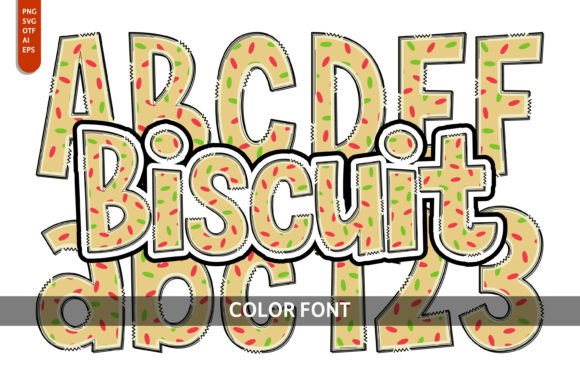
At its core, Biscuit is a handwritten font with a carefully crafted, slightly irregular baseline and soft, rounded terminals. It avoids the messy look of true scrawl, opting instead for a clean, legible style that feels authentically human. The letters have a gentle bounce and a consistent weight, giving it a rhythmic, almost musical quality. This isn't a script font with elaborate swashes; it's a creative font designed for clarity and charm. Its personality is optimistic, creative, and unpretentious, making it a versatile tool for projects aiming to connect on an emotional level.
Where Biscuit Truly Shines: Real-World Applications
The true test of any typeface is how it performs in the wild. Biscuit finds its sweet spot in designs where warmth and approachability are paramount. In editorial design, it’s a standout choice for chapter titles, pull quotes, or subheadings in magazines and children's books. Its legibility and playful nature make it perfect for engaging young readers without sacrificing readability. For packaging design, especially for artisanal foods, handmade goods, or boutique products, Biscuit adds an instant layer of authenticity and craft. It tells a story of care and quality before the customer even reads the product description.
For brand identity work, particularly for small businesses, cafes, lifestyle blogs, or creative studios, Biscuit can be a cornerstone. It works beautifully in logo design for brands that want to appear friendly and approachable. It’s equally effective in web design for call-to-action buttons, testimonial sections, or header graphics that need to feel personal. Social media graphics are another natural habitat. Using Biscuit for Instagram quotes, story templates, or promotional posts helps cut through the visual noise with a genuine, human touch. It’s also a go-to for greeting cards, invitations, and posters, where its inherent cheerfulness sets the perfect tone.
Making Biscuit Work for You: Practical Guidance
Choosing a premium font like Biscuit is an investment, so it’s wise to evaluate it thoughtfully. First, consider your project’s voice. Is it conversational, artistic, or nostalgic? Biscuit fits these profiles perfectly. It’s less suited for highly corporate, technical, or formal contexts where a traditional serif font or sans serif font would be more appropriate. Always test it with your actual content. Type out key phrases and headlines to see how the letterforms interact. Check the readability at the size you intend to use, especially for longer blocks of text.
A crucial step is exploring font pairing. Biscuit works harmoniously with clean, geometric sans serifs for a modern contrast, or with a simple, classic serif for a more grounded, editorial feel. Avoid pairing it with other highly decorative or handwritten fonts, which can create visual clutter. Review the font package thoroughly. Does it include multiple weights, styles, or glyphs? This flexibility can greatly extend its utility across your project, ensuring consistency in your brand identity. Finally, understand the licensing. For commercial use in logos, products, or client work, ensure you have the correct commercial font license. This protects you legally and supports the type designers who create these valuable design assets.
In a digital landscape saturated with sterile, uniform text, Biscuit offers a breath of fresh air. It’s a tool for modern typography that prioritizes human connection. By choosing it, you’re not just selecting a font; you’re adopting a tone of voice—one that is welcoming, creative, and confidently down-to-earth. Whether you’re a marketer crafting an email campaign, a blogger designing a header, or a crafter making a wedding invitation, Biscuit provides the personality to make your project memorable. It’s a reminder that in design, the most effective choices often feel the most natural.