Rainbow Sweet: A Typeface for Joyful, Vibrant Projects
There’s a specific challenge in design: capturing pure, uncomplicated joy. You want a visual language that feels welcoming, energetic, and positive without tipping into something childish or overwhelming. This is the space where Rainbow Sweet operates. It’s a display font that doesn’t just sit on a page; it communicates a feeling. Inspired by the cheerful spectrum of the rainbow, its character is immediately friendly and approachable, making it a valuable creative font for projects that need to connect on an emotional level.
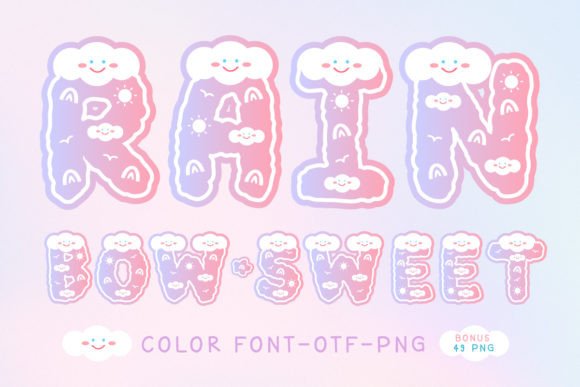
At its core, Rainbow Sweet is a modern typography solution designed for impact. Its letterforms are crafted with smooth, rounded edges and a consistent weight that suggests stability and friendliness. The true magic, however, lies in its Rainbow Ombre Series capability. This isn’t a static, single-color typeface. It’s built to showcase a beautiful gradient effect, allowing each letter to flow seamlessly from one vibrant hue to the next. Imagine the word "JOY" where the 'J' starts in a warm yellow, transitions through an orange 'O', and finishes with a vibrant pink 'Y'. This dynamic quality sets it apart from standard sans serif font or serif font options, offering a built-in design element that can elevate a project instantly.
Where Rainbow Sweet Truly Shines
Understanding where a font like this excels is key to using it effectively. Rainbow Sweet is not a workhorse for body copy; it’s a specialist. Its personality is best suited for projects where the goal is to attract attention, evoke happiness, and create a memorable first impression.
- Branding & Logo Design: For businesses in the lifestyle, wellness, children’s products, or artisan food spaces, Rainbow Sweet can become the cornerstone of a brand identity. A bakery named "Sugar & Sprinkle" or a yoga studio called "Blissful Flow" would find its personality perfectly encapsulated in this font. It communicates approachability and fun, which can be a significant differentiator.
- Marketing & Social Media Graphics: In the fast-scrolling world of social media, grabbing attention is everything. Rainbow Sweet is perfect for Instagram story headers, sale announcements, and event promotions. Its inherent energy stops the scroll. Used in a font pairing with a clean, neutral sans serif font for body text, it creates a clear visual hierarchy that guides the viewer’s eye exactly where you want it.
- Packaging & Editorial Design: Think of a vibrant cereal box, a cheerful greeting card, or the cover of a children’s activity book. Rainbow Sweet excels in packaging design where shelf appeal is critical. In editorial design, it can be used for pull quotes, chapter titles, or feature headings in a magazine to inject a burst of energy and break up monotony.
- Digital & Web Design: As a web design asset, it’s fantastic for hero sections, call-to-action buttons, or website headers for creative portfolios, event sites, or community blogs. Its playful nature can make a digital experience feel more engaging and less sterile.
Making It Work: Practical Guidance for Designers and Creators
Choosing the right font is a strategic decision. Here’s how to evaluate and implement Rainbow Sweet effectively in your projects.
Evaluating Project Fit and Personality
Before you select Rainbow Sweet, ask yourself: does the project’s core message align with the font’s personality? It’s perfect for themes of celebration, creativity, childhood, wellness, and community. It might not be the right fit for a law firm’s annual report or a luxury watch brand’s minimalist campaign. The font’s strength is its expressiveness; if your project requires severe formality or understated elegance, a different premium font would be more appropriate.
Font Pairing and Readability
The most common mistake with a display font like this is overuse. Reserve Rainbow Sweet for headlines, titles, and short bursts of text. For paragraphs, captions, and any text that requires sustained reading, pair it with a highly readable sans serif font or a simple serif font. This contrast ensures your design is both eye-catching and functional. Always test your pairings at the intended size. What looks balanced on a large screen might become illegible when scaled down for a mobile view or a small print label.
Exploring Included Styles and Licensing
A quality commercial font like Rainbow Sweet often comes with more than one style. Check if the font family includes variations like a solid color version (without the ombre effect), different weights, or even a complementary script font or handwritten font. These assets provide versatility, allowing you to maintain a cohesive brand identity across different applications. Crucially, always verify the licensing. Ensure the license covers your intended use, whether it’s for a client’s logo, merchandise for sale, or a digital product. Reputable foundries provide clear licensing terms for their design assets.
Testing in Context
Never choose a font based solely on how it looks in a specimen sheet. Mock it up. Place the headline in your actual layout, next to your proposed body copy and imagery. Does it harmonize with the color palette? Does it compete with other visual elements? For the ombre effect, test it against various background colors to ensure the gradient remains vibrant and legible. This real-world testing is the final, critical step in determining if Rainbow Sweet is the right tool for the job.
Ultimately, Rainbow Sweet is more than just a collection of glyphs. It’s a typeface with a distinct point of view. Used thoughtfully, it can inject a project with the very essence of its name—sweetness, color, and a sense of delight. It’s a powerful tool for designers, marketers, and creators who want to move beyond the ordinary and build something that genuinely resonates with a positive, joyful audience. By focusing on strategic application, careful pairing, and contextual testing, you can leverage its unique character to create work that is not only beautiful but also deeply effective.