Mastering the Spooky Season: A Designer’s Guide to Halloween Style
When the leaves start to turn and the air gets that distinct crispness, the creative world shifts gears. We move away from the minimalist sans serif fonts of summer and look for typefaces that carry a little more atmosphere. Enter Halloween Style, a premium font that captures the whimsical, slightly eerie vibe of October without sacrificing legibility. If you are a designer, entrepreneur, or content creator trying to capture the spirit of the season, understanding how to wield this specific display font is crucial. It isn't just about choosing something "spooky"; it is about selecting a typeface that conveys fun, nostalgia, and a touch of the macabre while remaining highly functional for your specific project needs.
The Visual Character of Halloween Style
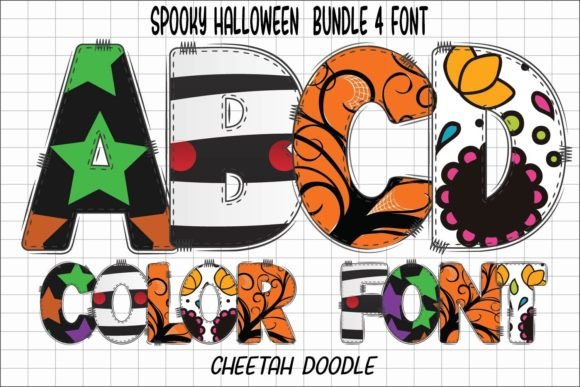
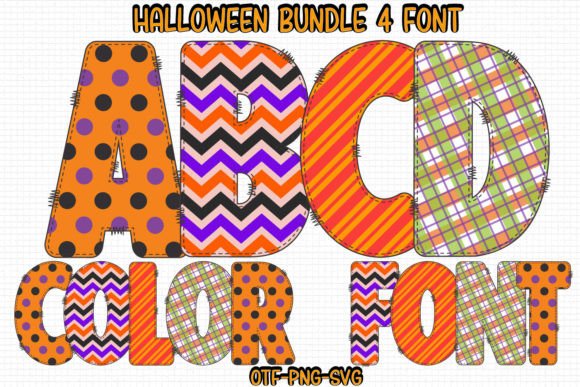
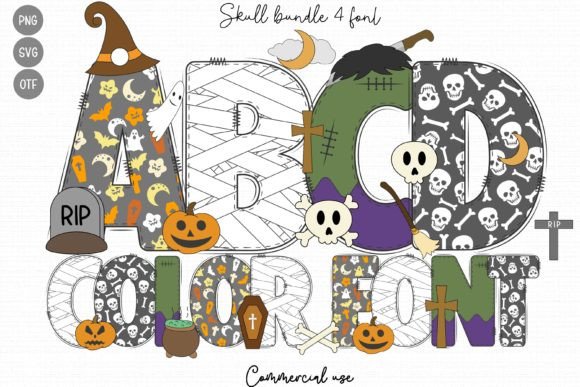
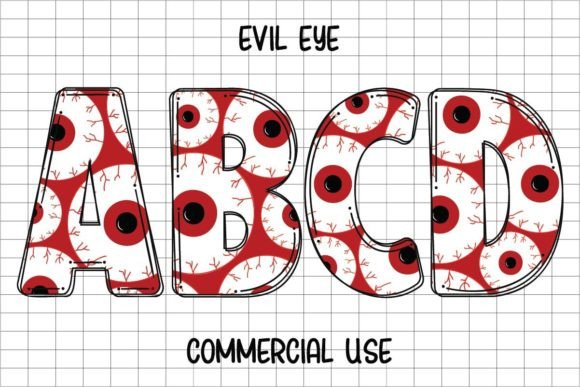
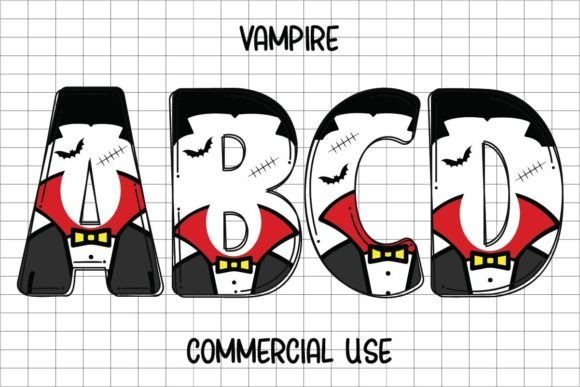
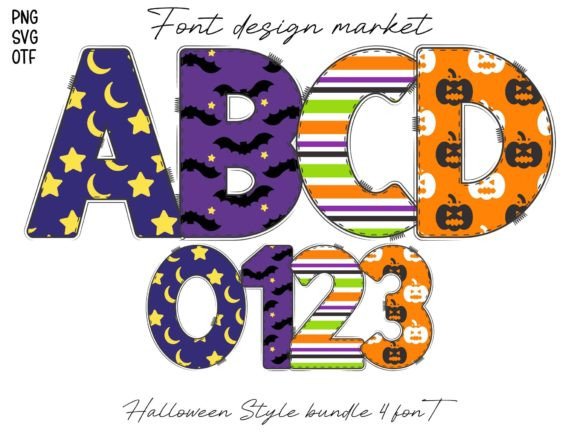
At its core, Halloween Style is a detailed, colored font that leans heavily into the decorative genre. Unlike a standard serif font or a clean sans serif font, this typeface features built-in textures and stylistic alternates that mimic hand-lettering. The visual personality is unmistakably playful. It strikes a balance between the jagged edges of classic horror movie posters and the rounded, friendly shapes of children’s book illustrations. This duality is what makes it such a versatile asset in modern typography. It isn't terrifying; it is inviting. The letters often feature subtle shadows or internal detailing that give the text a three-dimensional appearance, allowing it to stand out immediately on a page or screen.
The overall appeal of Halloween Style lies in its ability to evoke an immediate emotional response. When a viewer sees this typeface, they instantly recognize the theme. This is a massive advantage for branding and marketing materials. You don't need to over-explain the concept of your event or product; the font does the heavy lifting. However, as a creative professional, you must respect the complexity of the design. Because it is a detailed display font, it demands attention. It works best at larger sizes where the intricate details of the letterforms can be appreciated. Using it for body text would be a design error, as the complexity would create visual noise and reduce readability. Think of it as the "headline act" of your design assets.
Strategic Applications for Creative Professionals
Knowing what a font looks like is one thing; knowing where to use it is where the strategy comes in. For graphic designers and small business owners, the applications for Halloween Style are vast, ranging from digital campaigns to physical merchandise. The key is to match the font’s energy with the project's requirements.
Print and Editorial Design
In the realm of print design, this font shines brightest on materials that need to grab attention instantly. Think of event posters, flyers for a haunted house, or the cover of a seasonal magazine. If you are working on packaging design for a limited-edition candy or a craft beer, Halloween Style can provide that premium, artisanal look that suggests high quality. For publishers, it serves as an excellent choice for book covers in the middle-grade fantasy or horror-comedy genres. The font's personality helps set the tone before the reader even flips to the first page, aiding significantly in visual hierarchy by anchoring the title above all other elements.
Digital Marketing and Social Media
On digital platforms, attention spans are short. You have perhaps a fraction of a second to stop a user from scrolling. This is where a strong display font earns its keep. Using Halloween Style for Instagram graphics, Facebook ad headlines, or YouTube thumbnails can drastically increase click-through rates. It adds a layer of professionalism to your seasonal campaigns. For entrepreneurs running a sale or a giveaway, this font signals the theme immediately, creating a cohesive brand identity for the duration of the campaign. It works exceptionally well for web design headers during the month of October, instantly transforming a standard landing page into an immersive experience.
Commercial Products and Merchandise
If you are in the business of print-on-demand or selling physical goods, the licensing of your fonts matters. Assuming you are utilizing the commercial font license for Halloween Style, the possibilities expand to t-shirts, tote bags, mugs, and greeting cards. Because the font is a "cute and fun" style, it appeals to a broad demographic—from young children to adults who enjoy the spooky season. It is particularly effective for school designs or community flyers because it avoids being too scary, making it appropriate for a general audience. The detailed, colored nature of the font can reduce the need for additional graphic elements, allowing the text itself to be the primary design feature.
Integrating Halloween Style into Your Workflow
Adopting a new typeface requires more than just a download and an install. To get the most out of Halloween Style, you need to approach it with a designer’s mindset. This means considering font pairing, readability, and technical execution.
The Art of Font Pairing
One of the most common mistakes in graphic design is pairing two complex fonts together. Since Halloween Style is a highly decorative display font, it requires a grounding partner. You generally want to avoid pairing it with a script font or another detailed handwritten font, as they will compete for attention and create visual chaos. Instead, look for a clean, neutral sans serif font or a simple serif font for your body text. A geometric sans serif works well to contrast the organic, spooky shapes of the Halloween font. This contrast creates a clear visual hierarchy: the eye goes to the spooky headline first, then flows easily into the clean supporting text. This combination maintains professionalism while preserving the fun aesthetic.
Evaluating Readability and Hierarchy
Readability is the cornerstone of good design. While Halloween Style is legible at large sizes, you must test it in the context of your specific design. High contrast is key. If your background is dark (which is common for Halloween themes), ensure the font color pops. If you are using the colored version of the font, ensure the background doesn't clash with the built-in textures. Always zoom out to see how the design looks at a thumbnail size. Does the text still read as "Halloween," or does it turn into a blur? If it blurs, you may need to increase the size or add a subtle drop shadow to separate the text from the background.
Licensing and File Formats
Before you build your entire brand campaign around this typeface, verify the specifics of your license. A premium font usually comes with specific terms regarding commercial use. If you are a large enterprise or a publisher with a massive print run, ensure your license covers the scope of your distribution. Check for the inclusion of web fonts (WOFF or WOFF2 formats) if you plan to use it for web design. Also, look for what is included in the package. Does it come with multilingual support? Are there extra glyphs or stylistic alternates? Knowing these details allows you to fully utilize the typeface and avoid technical hiccups down the road.
Why Atmosphere Matters in Typography
Ultimately, choosing a font like Halloween Style is about more than just decoration; it is about storytelling. In a crowded market, the brands that succeed are the ones that make their audience feel something. A generic sans serif font might get the job done functionally, but it rarely creates an emotional connection. By investing in a creative font that aligns with a specific season or event, you are telling your audience that you are in tune with the moment. You are showing attention to detail and a commitment to the experience.
For the entrepreneur or content creator, this level of detail translates to trust. When a customer sees a well-designed flyer or a polished social media post using a font like Halloween Style, they perceive the business as more established and reliable. It is a subtle psychological trigger. The typography sets the mood, and the mood influences the purchasing decision. Whether you are designing a logo for a seasonal pop-up shop or creating social media graphics for a blog, the right typeface is your most powerful tool for engagement.
Final Recommendations for Your Projects
As you prepare your next round of creative assets, keep these practical tips in mind to ensure Halloween Style works for you, not against you:
- Test in Context: Never look at a font in isolation. Place it on your actual background with your actual images to see how it interacts with the rest of the design elements.
- Limit Its Use: Use Halloween Style for headlines, titles, and logos only. Do not use it for paragraphs of text. It is a display font meant for impact, not for long-form reading.
- Pair Wisely: Always have a reliable sans serif or serif font ready to do the heavy lifting for body copy. The contrast will make the decorative font look even better.
- Check Licensing: Always double-check the commercial license to ensure your usage rights align with your distribution plans, especially for merchandise.
By treating Halloween Style as a strategic design asset rather than just a novelty, you can elevate your seasonal projects, strengthen your brand identity, and capture the imagination of your audience. It is a versatile, high-quality typeface that, when used correctly, brings a professional polish to the spookiest time of the year.