Discover the Sweet Elegance of Pretty in Pink
There's a certain magic in typography that goes beyond just forming words. A well-chosen typeface can set a mood, tell a story, and connect with an audience on an emotional level. Among the vast sea of design assets available, some fonts manage to capture a very specific, delightful feeling. Pretty in Pink is one such creative font, offering a blend of elegance and playful charm that's hard to ignore. It’s not just another script font; it’s a tool for adding personality and a human touch to your projects.
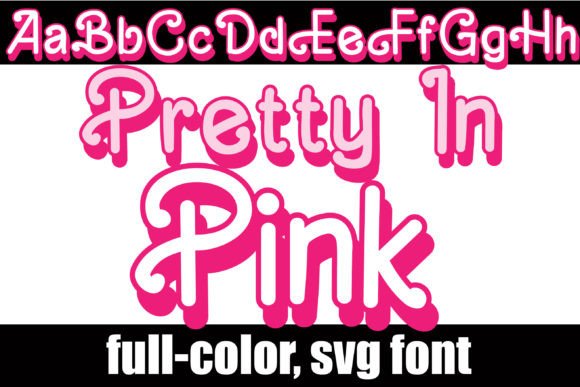
At its core, Pretty in Pink is a handwritten font that feels both personal and polished. Its defining features are the sweet, delicate swashes that gracefully extend from many of the letters. These aren't heavy, dramatic flourishes but rather subtle, flowing additions that give the typeface its original and whimsical character. The letterforms themselves have a natural, slightly varied baseline, mimicking the organic movement of a hand holding a brush or pen. This creates a rhythm that feels authentic and inviting, setting it apart from more rigid, uniform display fonts.
Where This Typeface Truly Shines
Understanding a font's personality is one thing; knowing where to apply it is where the real strategy comes in. Pretty in Pink excels in applications where a touch of warmth, creativity, and approachability is desired. It’s a premium font that finds its home in a surprising variety of contexts, each enhanced by its unique style.
In the realm of brand identity, this font can be a secret weapon for businesses aiming to convey a friendly, artisanal, or feminine aesthetic. Imagine it gracing the logo of a boutique bakery, a wedding planning service, or a handmade cosmetics line. It instantly communicates care, creativity, and a personal touch. For logo design, it works beautifully as the primary logotype for brands in lifestyle, beauty, and creative industries, or as a complementary element in a larger brand system, used for taglines or secondary messaging.
Beyond logos, its applications in packaging design are vast. It can make a product label stand out on a shelf, suggesting that what's inside is special and crafted with attention. For editorial design, think of chapter headings in a cookbook, pull quotes in a lifestyle magazine, or the title of a blog post about DIY projects. It draws the eye without overwhelming the content. In web design, it can be used sparingly for hero text, special announcement banners, or call-to-action buttons to add a burst of personality, though pairing it with a highly legible sans serif font for body copy is essential.
The font's charm translates seamlessly to social media graphics. It's perfect for creating Instagram quotes, Pinterest pins, or Facebook headers that need to feel inspirational, celebratory, or simply beautiful. For entrepreneurs and content creators, it adds a layer of professionalism and aesthetic cohesion to their digital presence. In the physical world, it’s a natural fit for stationery, greeting cards, wedding invitations, and any printed material where a personal, heartfelt tone is key.
Making Smart Choices with Pretty in Pink
Adopting a new typeface into your toolkit requires more than just liking how it looks. To use Pretty in Pink effectively and ensure it elevates your work, consider these practical guidelines.
Evaluating Project Fit: First, assess the project's goals and audience. Is the tone playful, elegant, or formal? Pretty in Pink leans toward the elegant and playful. It’s an excellent choice for projects targeting an audience that appreciates beauty, creativity, and a personal touch. It might be less suitable for a corporate financial report or a technical manual, where clarity and neutrality are paramount.
Mastering Font Pairing: This is perhaps the most critical step. A handwritten font like this works best when balanced with a simpler, more stable typeface. A classic pairing strategy is to use Pretty in Pink for headlines or accents and pair it with a clean sans serif font like Montserrat, Open Sans, or Lato for body text. This creates a clear visual hierarchy, ensuring your message is both beautiful and easily readable. You could also pair it with a simple, old-style serif font for a more traditional yet still creative feel.
Considering Readability: While beautiful, script and handwritten fonts are not designed for long paragraphs of text. Use Pretty in Pink for short bursts of text—titles, logos, single words, or short phrases. At smaller sizes, the delicate swashes can become less distinct. Always test the font at the intended size and in the context of your full design to ensure it remains legible and impactful.
Reviewing Font Styles and Licensing: Before purchasing, examine the full character set and any included styles. Does it have the ligatures, alternates, or multilingual support you need? Furthermore, if your project is commercial—a client's logo, a product you sell, a monetized blog—you must secure the appropriate commercial font license. This is a non-negotiable step in professional practice, protecting both you and the font's creator.
Ultimately, Pretty in Pink is more than just a collection of glyphs. It’s a versatile and expressive typeface that can inject life and emotion into your modern typography. By understanding its strengths and applying it thoughtfully, you can leverage this elegant handwritten font to create designs that are not only visually stunning but also deeply resonant with your intended audience. It’s a testament to how the right font choice can transform a simple layout into a memorable experience.