Cafe Font: Brew Up a Unique Brand Identity
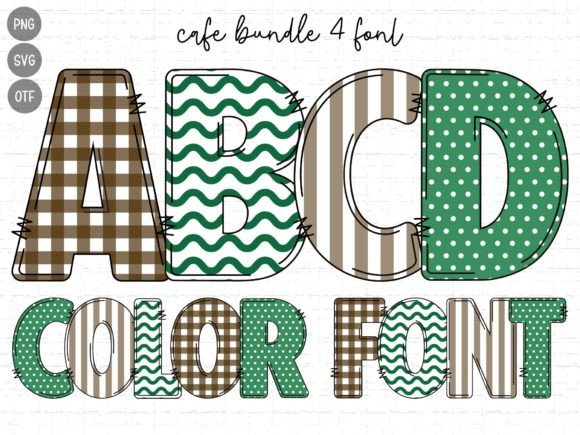
If you’ve ever held a coffee bean in your hand, you’ve noticed the intricate texture and the deep, rich color. That tactile experience is exactly what the typeface Cafe brings to the screen and page. It is more than just a collection of letters; it is a premium font designed with the specific nuances of the coffee world in mind. For designers, business owners, and creatives working within the hospitality or lifestyle sectors, finding a typeface that communicates "artisan" without looking like a caricature can be a challenge. Cafe strikes that balance perfectly. It isn't just a script font or a standard serif; it is a visual representation of the coffee bean itself, crafted to add warmth and texture to your typography.
More Than Just a Display Font
When we talk about modern typography, we often distinguish between functional workhorses and expressive display fonts. Cafe falls firmly into the latter category, but with a distinct purpose. Visually, it simulates the organic shape and texture of coffee beans. This makes it a powerful tool for logo design, particularly for roasteries, cafes, and brunch spots. However, its utility extends far beyond the food industry. Because it is a color font, it carries its own visual data, meaning the "bean" texture is embedded within the file itself. This creates an immediate focal point that standard vector text cannot achieve on its own.
The personality of the Cafe typeface is quirky, approachable, and inherently detailed. It avoids the overly grunge look that can sometimes make text illegible, opting instead for a stylized, high-quality finish. For brand identity projects, this font offers a way to establish a mood instantly. It suggests that a brand values craftsmanship, detail, and perhaps a touch of playfulness. Whether you are designing packaging design for a new blend of beans or creating social media graphics for a weekend special, the typeface does the heavy lifting of setting the atmosphere.
Strategic Applications for Creatives and Entrepreneurs
Understanding where to deploy a creative font like this is key to effective design. Because of its strong visual personality, Cafe is best used for headlines, mastheads, and logos rather than body copy. In editorial design, imagine this font used for the title of a food magazine or a feature article on sustainable farming. It grabs attention immediately and sets the thematic stage before the reader has even engaged with the first paragraph.
For small business owners, specifically those in the hospitality sector, the font offers a cohesive solution. Consider the following applications:
- Menu Design: Use it for category headers to break up the layout and guide the eye.
- Merchandise: It translates beautifully onto mugs, tote bags, and t-shirts, maintaining its detail at larger scales.
- Digital Presence: While it is a heavy file for body text, using it for hero images or web design banners can significantly increase visual engagement.
Furthermore, the font often comes with extras—additional glyphs, swashes, or alternative characters. These design assets allow for customization. You can swap out a standard "O" for one that looks more like a whole bean or a cup, adding a layer of storytelling to your layout. This level of detail is what separates generic branding from memorable brand identity.
Mastering Font Pairing and Hierarchy
One of the most common mistakes with novelty or thematic fonts is using them in isolation or pairing them with the wrong partner. Cafe is a serif font by nature (or at least mimics the weight and structure of one), so it pairs best with clean, neutral companions. You want to create contrast. If you pair this textured, detailed typeface with another ornate script font, the result will be chaotic and unreadable.
Instead, look for a sturdy sans serif font for your supporting text. A clean geometric sans serif provides the necessary breathing room for the intricate details of Cafe to shine. This creates a clear visual hierarchy: the eye is drawn to the textured, coffee-bean headline, and then flows easily into the clean body copy for the details. This approach ensures that your readability remains high while still leveraging the unique aesthetic of the premium font.
When testing your pairings, pay close attention to weight. Because Cafe has a lot of visual texture, it can appear darker than a standard bold font of the same size. You may need to increase the leading (line spacing) if you use it for multi-line headlines to prevent the text block from feeling too dense.
Practical Considerations for Usage
Before integrating Cafe into a commercial project, it is vital to review the licensing. Most commercial fonts require specific licenses depending on the medium (print vs. web vs. app) and the number of users. Always verify the license covers your specific use case, especially if you are creating products for resale, like the merchandise mentioned earlier.
Additionally, consider the context of your audience. While the font is a perfect fit for a hipster coffee shop or a rustic bakery, it might feel out of place for a fintech startup or a law firm. Typography is a language; choosing a font like Cafe is like choosing a specific dialect of warmth and informality. It speaks to a community that values the ritual of coffee and the creativity of the cafe environment.
For content creators and bloggers, using this font in video thumbnails or Pinterest graphics can significantly boost click-through rates. It is distinct enough to stand out in a crowded feed. The key is to treat the font not just as text, but as an illustration. It adds art direction to your project simply by being present.
Ultimately, Cafe