Belgium: The Colorful Display Font for Modern Design
Sometimes a design project just needs a little bit of character. Not the kind you get from a standard serif font or a clean sans serif font, but something with personality, story, and a distinct visual flair. If you've ever found yourself scrolling through endless font libraries looking for that perfect creative font that feels both meaningful and stylish, the Belgium typeface might be the answer you didn't know you were looking for.
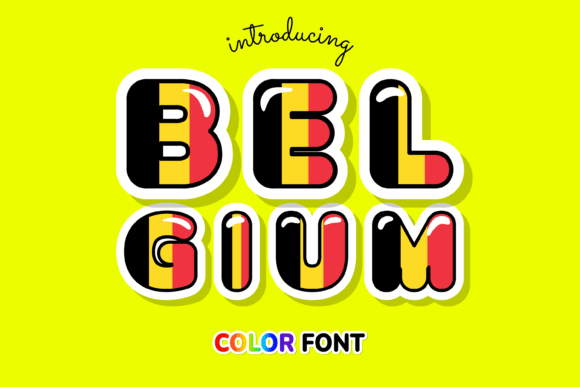
Belgium isn't your typical typeface. It's a color font inspired by the Belgian flag, meaning each letterform carries the bold black, yellow, and red palette that defines the nation's identity. When you install and use this font, you're not just typing words — you're placing tiny pieces of national symbolism onto your canvas. The design itself has a modern, slightly geometric quality that feels contemporary without being cold. It strikes a balance between decorative appeal and functional clarity, which is a harder line to walk than most people realize.
What Makes Belgium Stand Out in a Crowded Font Market
The font world is saturated. There are millions of typefaces available, ranging from elegant script fonts to rigid monospaced options. So what makes Belgium worth your attention? The answer lies in its specificity. This isn't a font trying to be everything to everyone. It has a clear point of view, and that clarity is what gives it power in the right context.
Visually, Belgium reads as bold and confident. The color treatment gives each character a layered, almost tactile quality that you simply cannot achieve with standard single-color typography. The black outlines provide structure, while the yellow and red fills add warmth and energy. It's the kind of display font that commands attention without shouting, which is exactly what good design assets should do.
There's also a cultural resonance here. For anyone with ties to Belgium, European heritage, or an appreciation for international design sensibilities, this font carries an emotional weight that generic decorative typefaces cannot replicate. It's not just aesthetic — it's meaningful.
Where This Creative Font Really Shines
Let's talk about practical applications, because that's where a font either proves its worth or collects digital dust. Belgium works best in contexts where you need visual impact at display sizes. Think headlines, hero sections, poster designs, event invitations, and social media graphics where you want the typography itself to be the focal point.
For brand identity projects, Belgium can be a surprisingly effective choice for businesses with European roots, international food brands, travel companies, or any venture that wants to evoke sophistication with a continental twist. Imagine it on packaging design for a Belgian chocolate brand or a craft brewery with European influences. The font does half the branding work before you even add a logo.
In editorial design, Belgium can serve as a striking drop cap or chapter heading font. It brings visual hierarchy to magazine layouts, blog headers, and digital publications without requiring complex graphic overlays. Because it's a color font, you get that layered, polished look right out of the box.
For web design, Belgium works beautifully in hero banners, call-to-action sections, and landing page headlines where you want to stop a visitor mid-scroll. It's less suited for body text — and that's perfectly fine. Every good font pairing strategy involves a bold display option paired with a more neutral reading font, and Belgium fills that display role exceptionally well.
Pairing Belgium with Other Typefaces
Speaking of font pairing, this is where many designers get nervous. A colorful, personality-driven font like Belgium needs companions that complement rather than compete. The general rule here is contrast without conflict.
A clean sans serif font like Helvetica, Inter, or Montserrat makes an excellent partner for body text and secondary elements. These typefaces step back visually, allowing Belgium to own the spotlight in headlines and display contexts. If you prefer something with a bit more warmth, a humanist sans serif like Open Sans or Lato can soften the overall composition.
For projects that lean more editorial or traditional, consider pairing Belgium with a classic serif font for body copy. The interplay between Belgium's bold, modern geometry and the refined strokes of a typeface like Georgia or Merriweather creates a sophisticated tension that feels intentional and polished.
Avoid pairing Belgium with other heavily decorative fonts, script fonts, or handwritten fonts. Too many competing personalities in a single design creates visual noise rather than visual interest. Let Belgium be the accent piece, not one voice in a crowd.
Practical Tips for Using This Premium Font
Before you commit to Belgium for a project, take some time to evaluate fit. Pull up a mock of your layout and test the font at the actual size you plan to use it. Color fonts can behave differently at small sizes — the color details may become muddy or hard to read. At display sizes, however, those same details become assets.
Check what styles and weights are included with the font family. Some premium font packages offer multiple variations, alternates, or stylistic sets that give you more flexibility. Understanding what's in your toolkit before you start designing prevents mid-project surprises.
Licensing matters, especially for commercial use. If you're a small business owner, entrepreneur, or freelance designer using Belgium in client work, make sure the font license covers commercial projects. Most reputable font foundries and marketplaces are transparent about this, but it's always worth confirming before a design goes to print or live on a website.
Finally, consider your audience. Belgium resonates most strongly with viewers who appreciate international culture, bold design choices, and modern typography. If your target demographic skews toward a design-savvy, globally minded audience — which includes many millennials and Gen X professionals — this font will land exactly the way you intend.
The Bigger Picture: Typography as Brand Strategy
Fonts are never just fonts. Every typeface choice you make sends a message about your brand's personality, values, and level of professionalism. Choosing Belgium says something specific: that you value creativity, that you pay attention to cultural detail, and that you're not afraid to stand out from a sea of safe, predictable design choices.
For content creators, bloggers, and publishers, consistent use of a distinctive font like Belgium across headers, thumbnails, and promotional graphics builds visual recognition over time. Your audience starts associating that bold, colorful typeface with your content before they even read the words. That's the kind of subtle brand reinforcement that compounds over months and years.
For entrepreneurs and small business owners, investing in a quality typeface is one of the most cost-effective brand identity decisions you can make. A single well-chosen font can elevate a logo design, unify marketing materials, and give your business a professional edge that competitors using default system fonts simply cannot match.
Belgium isn't trying to replace your entire font library. It's a specialist — a creative tool designed for moments when your project needs something distinctive, meaningful, and visually arresting. Used thoughtfully, it transforms ordinary layouts into memorable designs that actually connect with people.